Landowner agreement first
Property boundaries, access points, safety zones, allowed activity, notice expectations, data sharing, and termination terms belong in a written agreement.
Method matters
Coop & Pasture Inc. is being designed to make conservation decisions that are lawful, humane, documented, and tied to a public-benefit purpose.
Conservation first
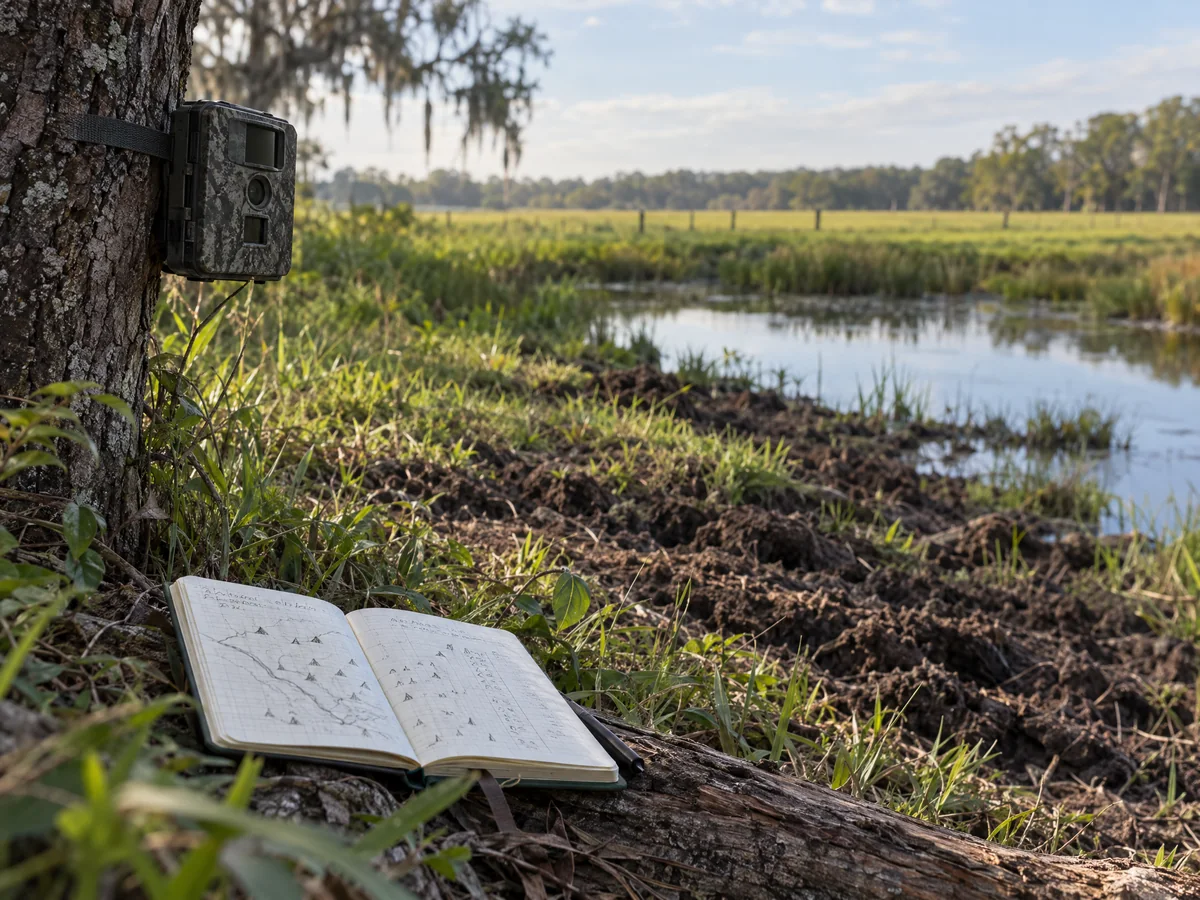
Feral hogs can affect fields, wetlands, forests, and water quality. Predator pressure can alter outcomes for ground-nesting birds. Neither issue should be treated as a recreational transaction.
Before any field activity, the organization’s aim is to understand the site context, choose a lawful response within its authority, and retain a record of the work and its outcomes.
Read current reference resources →Operating guardrails
Every operating decision is designed to reinforce conservation purpose, protect people and land, and keep the service accountable to the public.
Property boundaries, access points, safety zones, allowed activity, notice expectations, data sharing, and termination terms belong in a written agreement.
Work is limited to what is permitted and appropriate for the property. Current agency rules and local restrictions remain controlling.
Activity, locations, observed conditions, damage changes, and relevant outcomes will be logged for program learning and accountability.
Free private-land service is prioritized by conservation criteria and community benefit, not a donor relationship or private recreation.
Safety, animal welfare, lawful handling, and responsible disposition are built into procedures and partner coordination.
Work involving protected species or special permits is not a standalone Coop & Pasture Inc. program; it is support for authorized agencies and permitted groups.
A specific boundary
Gopher tortoise, sea turtle, and other protected-species work can involve distinct permits, sensitive habitat, and public scrutiny. Where conservation partners invite support, Coop & Pasture Inc. will follow their lead and the governing requirements.
That restraint is not a limitation of the mission. It is part of doing public-benefit conservation responsibly.
Regulations change. Our resource layer links to the Florida Fish and Wildlife Conservation Commission for public guidance. This website does not provide operational field instructions.
What the process protects
They get a clear scope, consent-first access, defined safety expectations, and visibility into documented results.
They get a nonprofit model shaped around native wildlife, farmland, habitat, food access, and transparent selection criteria.
It stays rooted in measurable conservation outcomes—not membership benefits, hunting access, or promotional claims.